
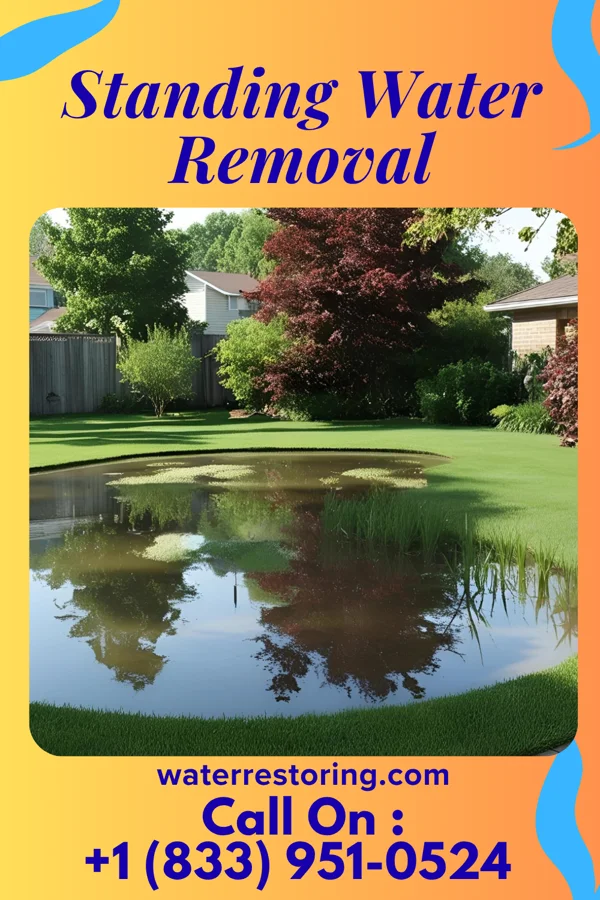
Ground-Water Standing Water in Jamestown
Water damage in Jamestown tends to cluster in predictable windows because of the local climate. In Jamestown, Washington, water damage often stems from heavy rainfall and flooding due to its proximity to the Olympic Peninsula and the Strait of Juan de Fuca. The region's frequent storms and high humidity contribute to issues like basement flooding and roof leaks, particularly during the wet winter months. A close second is Secondary causes include plumbing failures in older homes, backed-up sewer systems, and leaks from damaged appliances. These issues are common in Jamestown's rural and historic neighborhoods, where aging infrastructure can lead to unexpected water intrusion..
Jamestown's coastal climate brings high rainfall, strong winds, and frequent fog, increasing the risk of water damage. The area's proximity to the Pacific Ocean means that storm surges and high tides can also lead to flooding in low-lying areas.
Jamestown's coastal climate brings high rainfall, strong winds, and frequent fog, increasing the risk of water damage. The area's proximity to the Pacific Ocean means that storm surges and high tides can also lead to flooding in low-lying areas. The dominant local driver is In Jamestown, Washington, water damage often stems from heavy rainfall and flooding due to its proximity to the Olympic Peninsula and the Strait of Juan de Fuca. The region's frequent storms and high humidity contribute to issues like basement flooding and roof leaks, particularly during the wet winter months., with Secondary causes include plumbing failures in older homes, backed-up sewer systems, and leaks from damaged appliances. These issues are common in Jamestown's rural and historic neighborhoods, where aging infrastructure can lead to unexpected water intrusion. showing up as the next most common cause. Damage builds in stages. Spread. Absorption. Microbial growth. Structural compromise. Every stage you pass through adds to the final bill.